
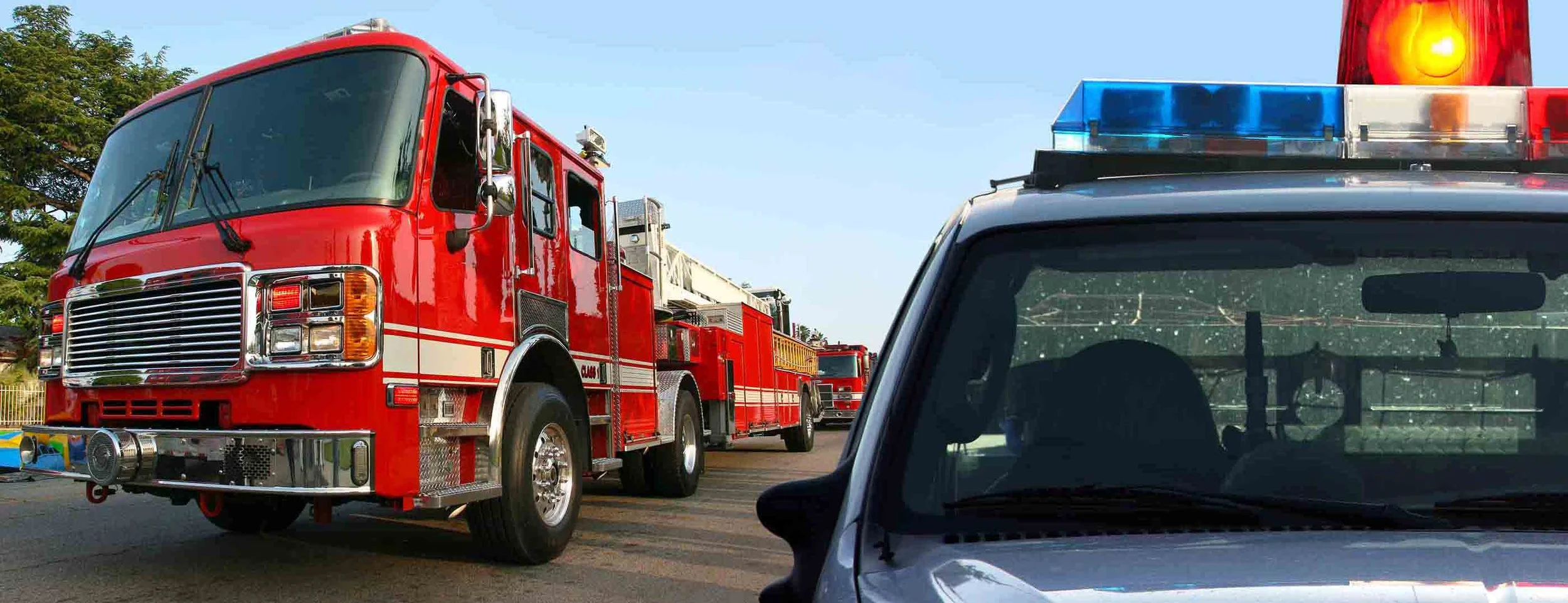

Preparing for the Unexpected: How Emergency Traffic Response Saves Lives
Traffic disruptions don’t always happen on a schedule. Accidents, weather events, utility failures, and other emergencies can occur without warning — and when they do, quick, organized traffic management saves lives.
What Is Emergency Traffic Response?
Emergency traffic response refers to rapid deployment of traffic control resources during unplanned events. The goal is simple: protect road users, stabilize traffic flow, and support first responders.
Key Elements of Emergency Traffic Management
Rapid Mobilization
Certified personnel and equipment must reach the scene quickly, often within minutes of an incident.
Strategic Control Measures
Depending on the situation, this can mean:
Temporary detour signage
Lane shifts or closures
Pedestrian rerouting
Signal adjustments
Coordination with First Responders
Emergency responders focus on the incident itself. Traffic management teams ensure the surrounding road network remains safe and accessible.
Benefits to the Community
Reduced secondary crashes: Calm, organized traffic patterns prevent additional collisions.
Faster emergency access: Clear lanes help ambulances, fire services, and law enforcement reach the scene.
Improved public confidence: Residents and commuters feel safer when they see efficient action taken during disruptions.
Conclusion
Emergency traffic response isn’t just an add-on — it’s an essential service. With trained teams and the right tools in place, communities are better prepared, and everyone on the road benefits from safer conditions when the unexpected happens.

