
Why Smart Work Zone Technology Is Revolutionizing Traffic Safety
Work zones are inherently challenging environments. Workers, motorists, and pedestrians all share limited space, and even small disruptions can quickly become dangerous. That’s why smart work zone technology is no longer a luxury — it’s a necessity.
What Is Smart Work Zone Technology?
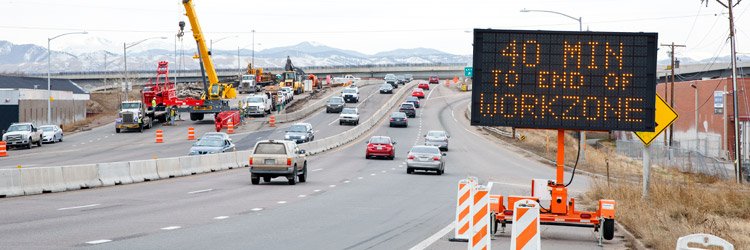
Smart work zone systems integrate sensors, variable message signs (VMS), radar detection, and real-time analytics to monitor and manage traffic dynamically. These technologies can alert motorists to changing conditions, track vehicle speeds, and even adjust traffic control strategies on the fly.
Safety Benefits
Traditional static signage can only do so much. With smart technology, work zones become proactive:
Reduced crashes and injuries: Early detection of congestion or speed changes helps prevent collisions.
Increased awareness: Drivers receive real-time alerts that adapt to current conditions.
Improved worker protection: Sensitive zones near crews are monitored continuously, so risks are flagged instantly.
Operational Advantages
Smart systems don’t just improve safety — they improve efficiency:
Data-driven decisions: Traffic monitoring provides actionable insights for future projects.
Reduced congestion: Adaptive alerts lead to smoother traffic flow.
Better compliance: Real-time reporting supports audits and regulatory requirements.
Conclusion
Investing in smart work zone technology means investing in safety, compliance, and efficiency. For contractors and municipalities alike, these systems are a game-changer — and they’re redefining what effective traffic management looks like.

